Exploring the Uses of Different Density Concrete


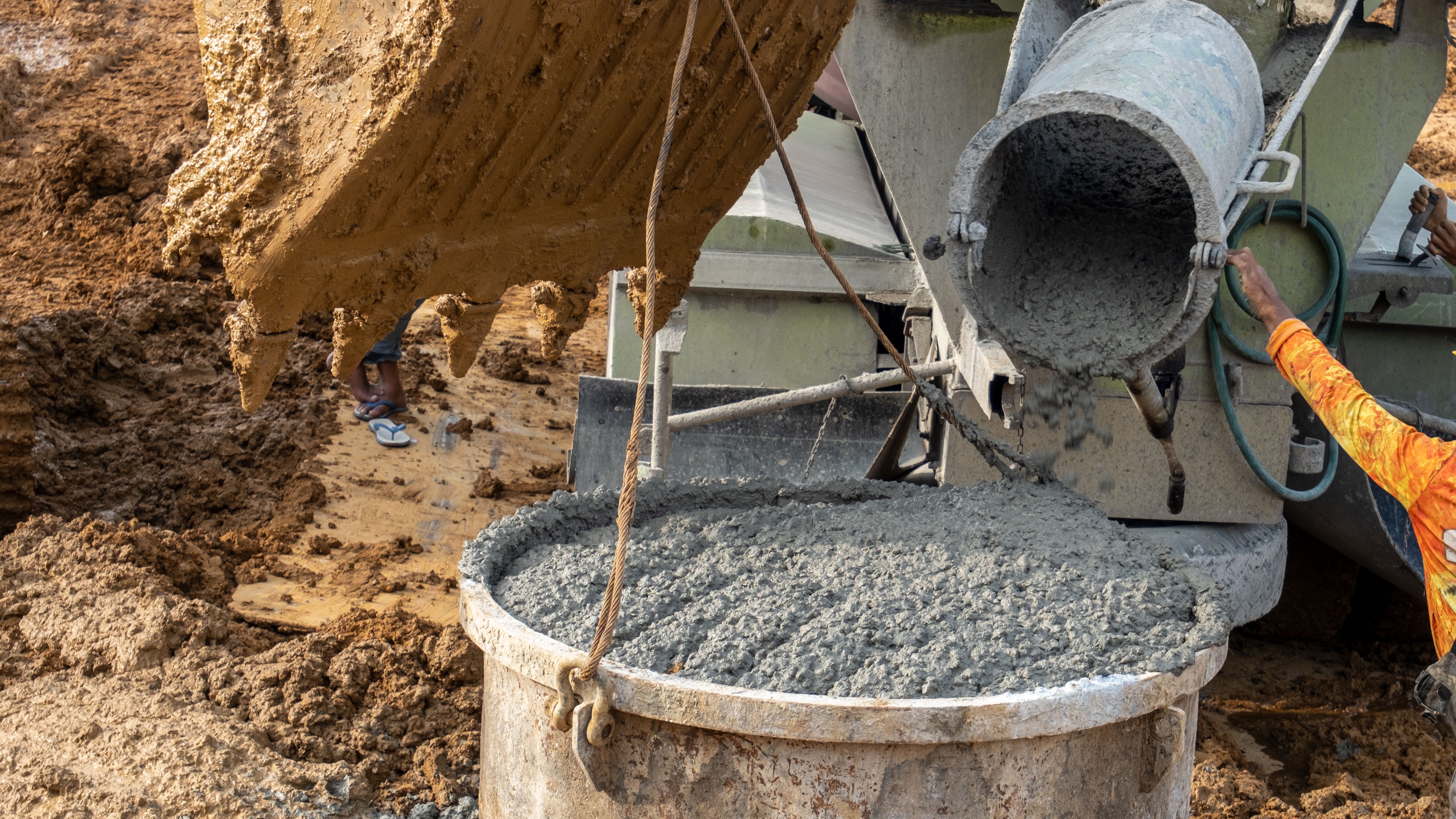
Concrete is one of the most versatile building materials available, and its density can be adjusted to suit a wide range of applications. From lightweight solutions for insulation to heavy-duty variants for structural support, understanding the uses of different density concrete can help in selecting the right type for a specific project.
Lightweight Concrete
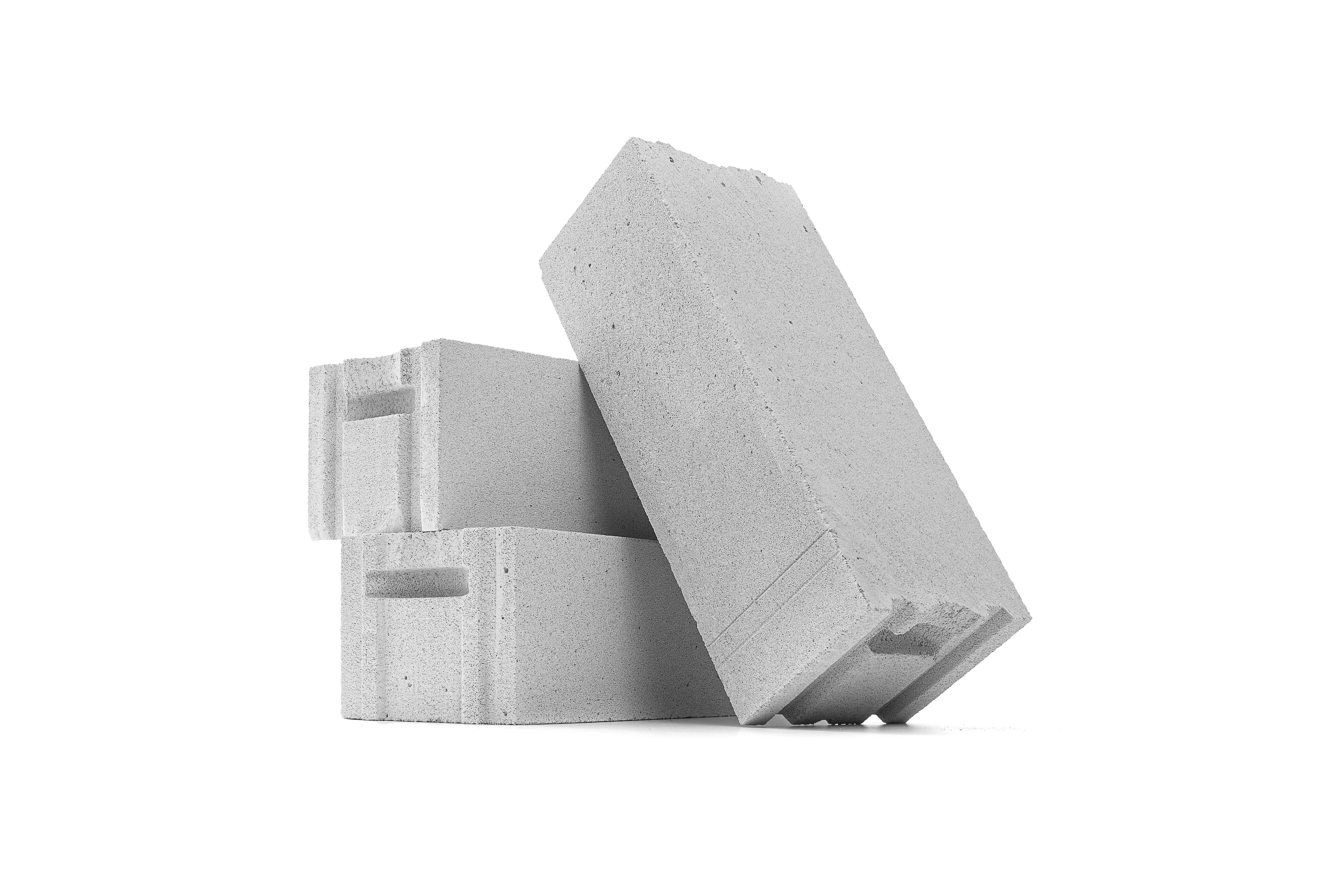
Lightweight concrete is characterized by its lower density, typically achieved by using lightweight aggregates such as expanded clay or shale. This type of concrete is often used in applications where weight reduction is essential, such as in high-rise buildings and long-span bridges. Its thermal insulation properties make it ideal for building facades and partitions.
One of the main advantages of lightweight concrete is its ability to reduce the overall load on a structure, which can lead to significant cost savings in terms of foundation and structural support requirements.
Standard Density Concrete
Standard density concrete is the most commonly used type of concrete, with a density that typically ranges from 2,200 to 2,500 kg/m³. This type of concrete is used in a wide variety of applications, from residential foundations and driveways to commercial buildings and pavements.
The versatility of standard density concrete comes from its balance between strength and workability. It provides reliable structural support while being relatively easy to mix, pour, and finish.
Applications in Construction
In construction, standard density concrete is preferred for its durability and strength. It is widely used in the construction of roads, bridges, and buildings due to its ability to withstand various environmental conditions.

High-Density Concrete
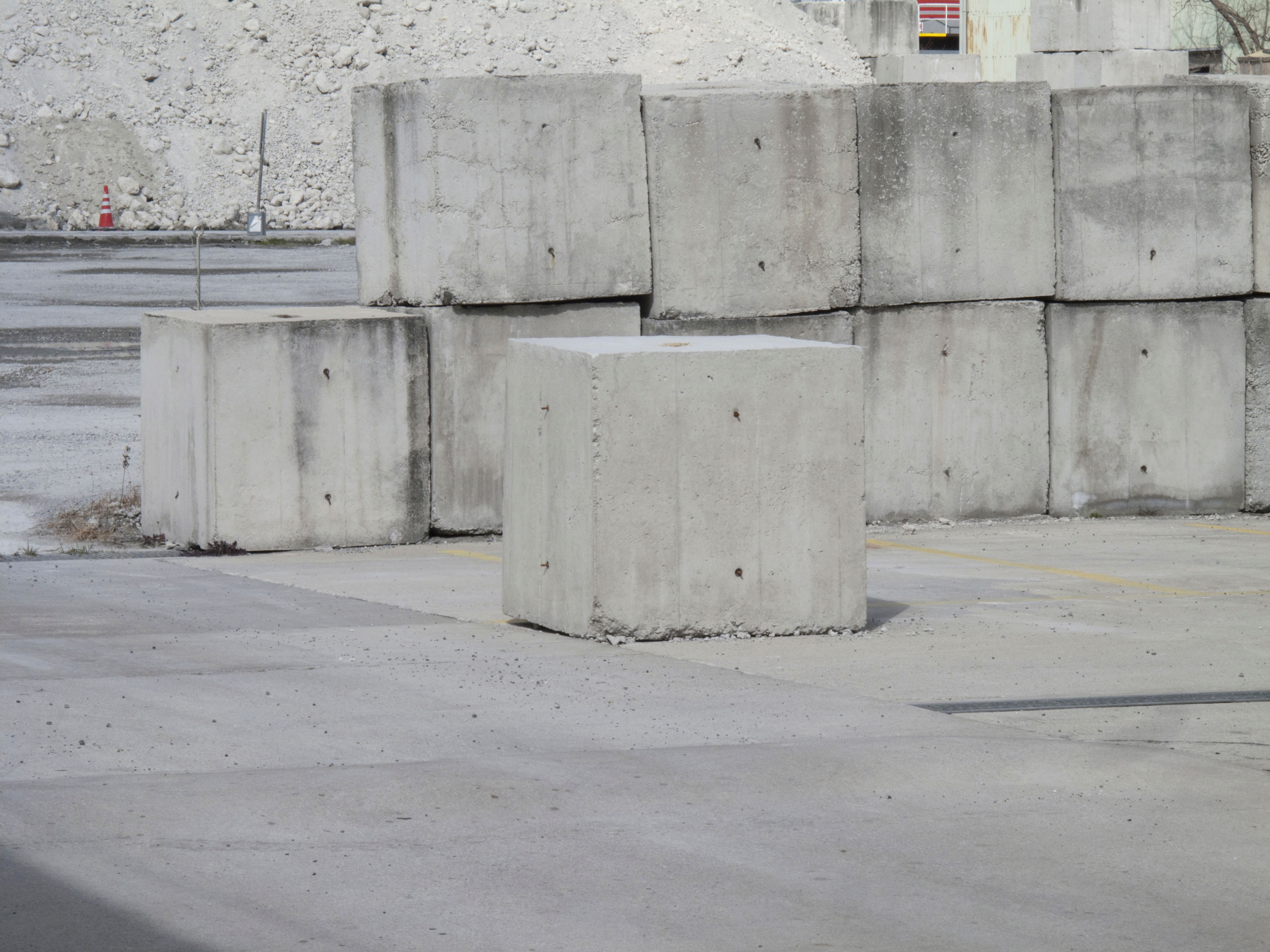
High-density concrete, often referred to as heavyweight concrete, is used in specialized applications where additional mass is required. This type of concrete has a density typically above 3,000 kg/m³ and is achieved by using dense aggregates like barite or magnetite.
Common applications for high-density concrete include radiation shielding in nuclear power plants, medical facilities, and industrial applications where protection from radiation is necessary.
Benefits and Considerations
While high-density concrete offers superior protection and structural capabilities, it also comes with some challenges. The increased weight can require additional consideration in terms of transportation and placement, and its cost is generally higher than standard concrete.
Choosing the Right Concrete Density
When selecting the appropriate concrete density for a project, several factors must be considered, including the structural requirements, environmental conditions, and budget constraints. Consulting with a structural engineer can provide valuable insights into which type of concrete will best meet the specific needs of a project.
Ultimately, the choice of concrete density can significantly impact the performance and longevity of a structure, making it a crucial decision in the planning and design phases of construction.
- Consider the load-bearing requirements of the project.
- Evaluate environmental factors such as temperature and moisture.
- Assess budget constraints and cost-effectiveness.