
Understanding Concrete Testing with Phenolphthalein


Introduction to Concrete Testing
Concrete is a fundamental material in construction, known for its strength and durability. However, ensuring its quality and longevity requires comprehensive testing. One such method is using phenolphthalein to assess the carbonation of concrete. This process is crucial for maintaining the structural integrity of buildings and infrastructure.
During construction, various factors can affect concrete's performance. Understanding these elements can help prevent future issues. Phenolphthalein testing is a simple yet effective way to measure concrete's alkalinity, an indicator of its durability.
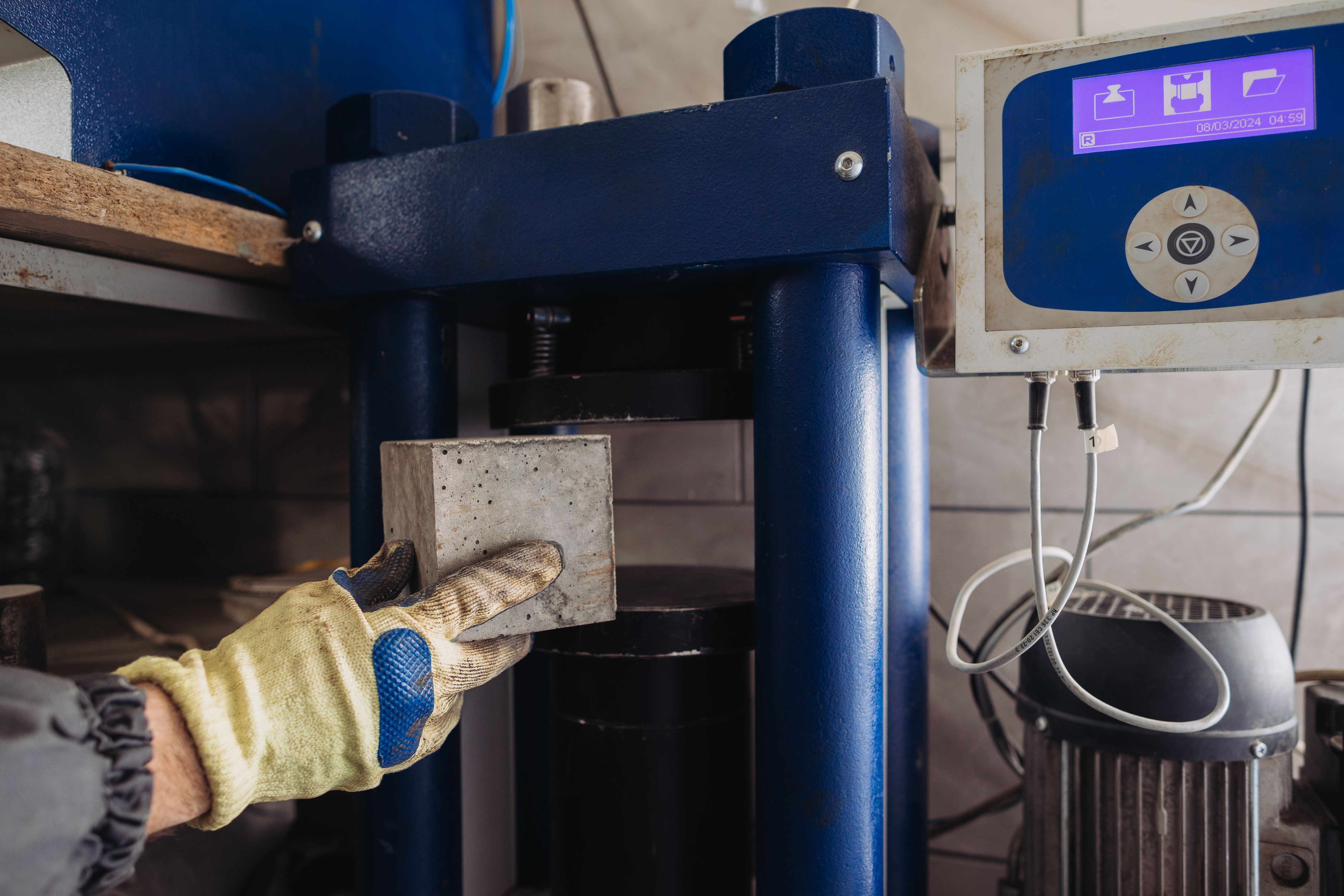
What is Phenolphthalein?
Phenolphthalein is a chemical compound used as a pH indicator. In the context of concrete testing, it serves as a visual tool to determine the carbonation depth. When applied to concrete, phenolphthalein turns pink in alkaline environments, while remaining colorless in neutral or acidic conditions.
This color change provides a clear indication of the carbonation process, which occurs when carbon dioxide from the air reacts with calcium hydroxide in the concrete, reducing its pH and potentially compromising its strength.
The Importance of Carbonation Testing
Carbonation testing is vital for assessing the longevity of concrete structures. Over time, carbonation can lead to steel reinforcement corrosion, compromising the structural integrity. Regular testing helps identify areas at risk and allows for timely maintenance.

Conducting the Phenolphthalein Test
Performing the phenolphthalein test is straightforward and involves several steps:
- Collect a concrete sample from the structure.
- Apply a phenolphthalein solution to the freshly exposed surface.
- Observe the color change to assess the carbonation depth.
The presence of a pink hue indicates uncarbonated, alkaline concrete, while a lack of color suggests carbonation. This visual cue helps engineers determine the extent of carbonation and plan appropriate interventions.
Interpreting Test Results
Understanding test results is crucial for making informed decisions about maintenance and repairs. A significant depth of carbonation may require protective coatings or additional treatments to prevent further deterioration.
Engineers use the test results to prioritize areas that need attention, ensuring the safety and longevity of the structure. Regular monitoring can help in maintaining the concrete’s performance over time.

Benefits of Using Phenolphthalein
Phenolphthalein testing offers several advantages, making it a popular choice among engineers and construction professionals. Its simplicity and cost-effectiveness allow for quick assessments without the need for complex equipment.
Moreover, the immediate visual results enable fast decision-making, which is crucial during construction or renovation projects. By integrating phenolphthalein testing into routine inspections, potential issues can be identified early, minimizing repair costs and extending the life of the structure.
Conclusion
Understanding concrete testing with phenolphthalein is essential for maintaining robust and durable structures. By regularly assessing carbonation levels, construction professionals can ensure concrete remains in optimal condition, safeguarding both the structure and its occupants.
Incorporating phenolphthalein testing into standard practices not only enhances safety but also contributes to the sustainable management of resources by prolonging the lifespan of concrete structures.