
Building Health: Insights into HealthCare Construction and Facility Services


Understanding the Basics of HealthCare Construction
Healthcare construction is a specialized field that requires a deep understanding of the unique needs of medical facilities. From hospitals to outpatient clinics, each project must prioritize patient safety, efficient workflow, and advanced technology integration. Unlike typical construction projects, healthcare facilities demand a focus on hygiene, accessibility, and regulatory compliance.
The Importance of Regulatory Compliance
Regulatory compliance is critical in healthcare construction. Builders must adhere to strict guidelines set by organizations such as the Joint Commission and the Centers for Medicare & Medicaid Services. These regulations ensure that facilities are safe, accessible, and capable of providing high-quality care. Non-compliance can lead to severe penalties and compromise patient safety.
Incorporating Advanced Technology
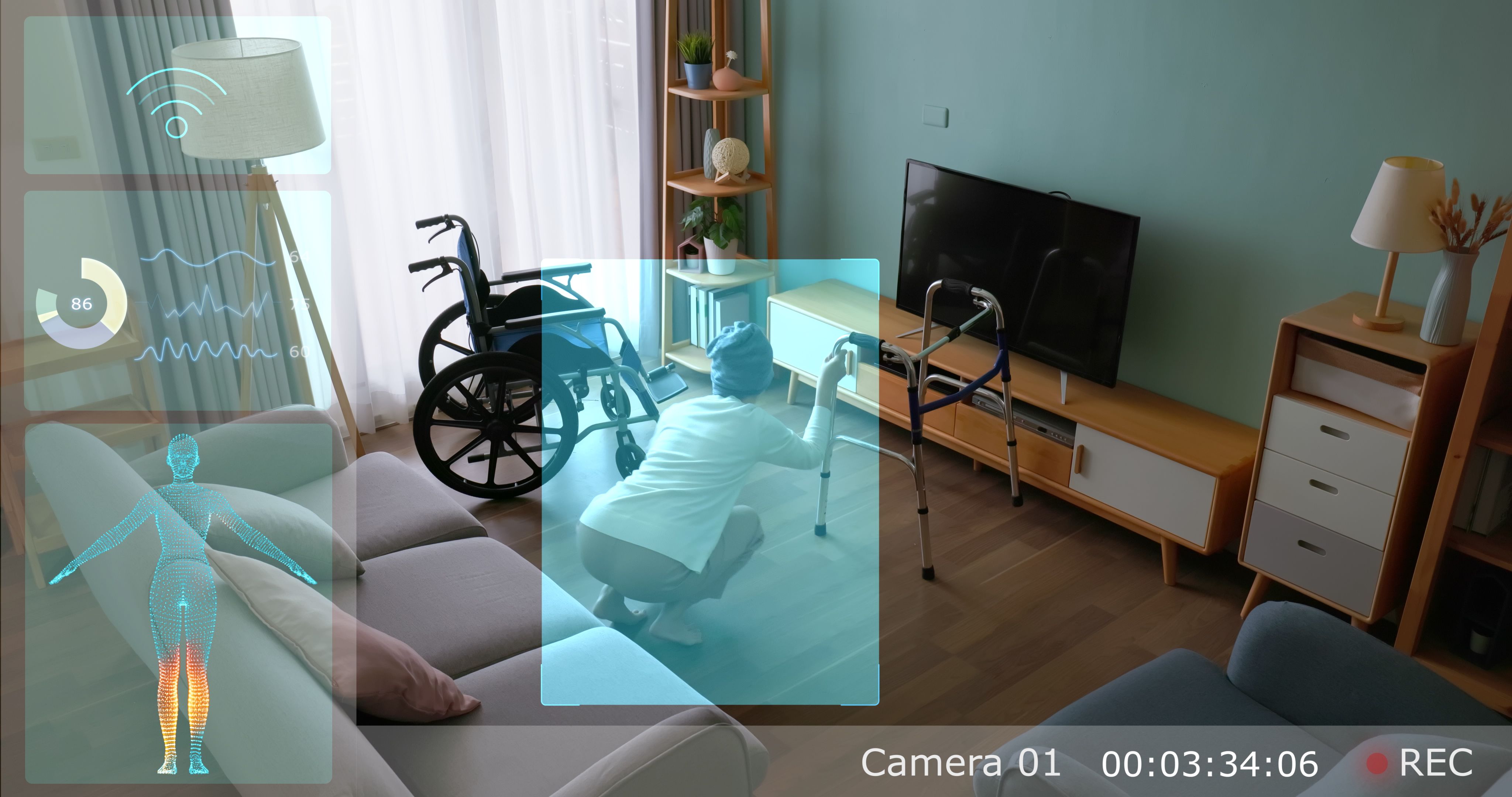
Modern healthcare facilities are equipped with cutting-edge technology to improve patient outcomes and streamline operations. During construction, it’s essential to plan for the integration of medical equipment, telemedicine capabilities, and data management systems. This requires collaboration between construction teams, healthcare providers, and technology experts.
Key Considerations in Healthcare Facility Services
Facility services extend beyond the initial construction phase. Effective maintenance and management are crucial for ensuring that healthcare environments remain safe and functional. This involves regular inspections, updates to comply with new regulations, and efficient resource management.
Energy Efficiency and Sustainability
With growing awareness of environmental impacts, energy efficiency and sustainability have become vital components of healthcare facility services. Implementing green building practices can reduce operational costs and enhance the healing environment. Sustainable design elements, such as natural lighting and energy-efficient systems, are increasingly popular in new healthcare projects.
The Role of Facility Management
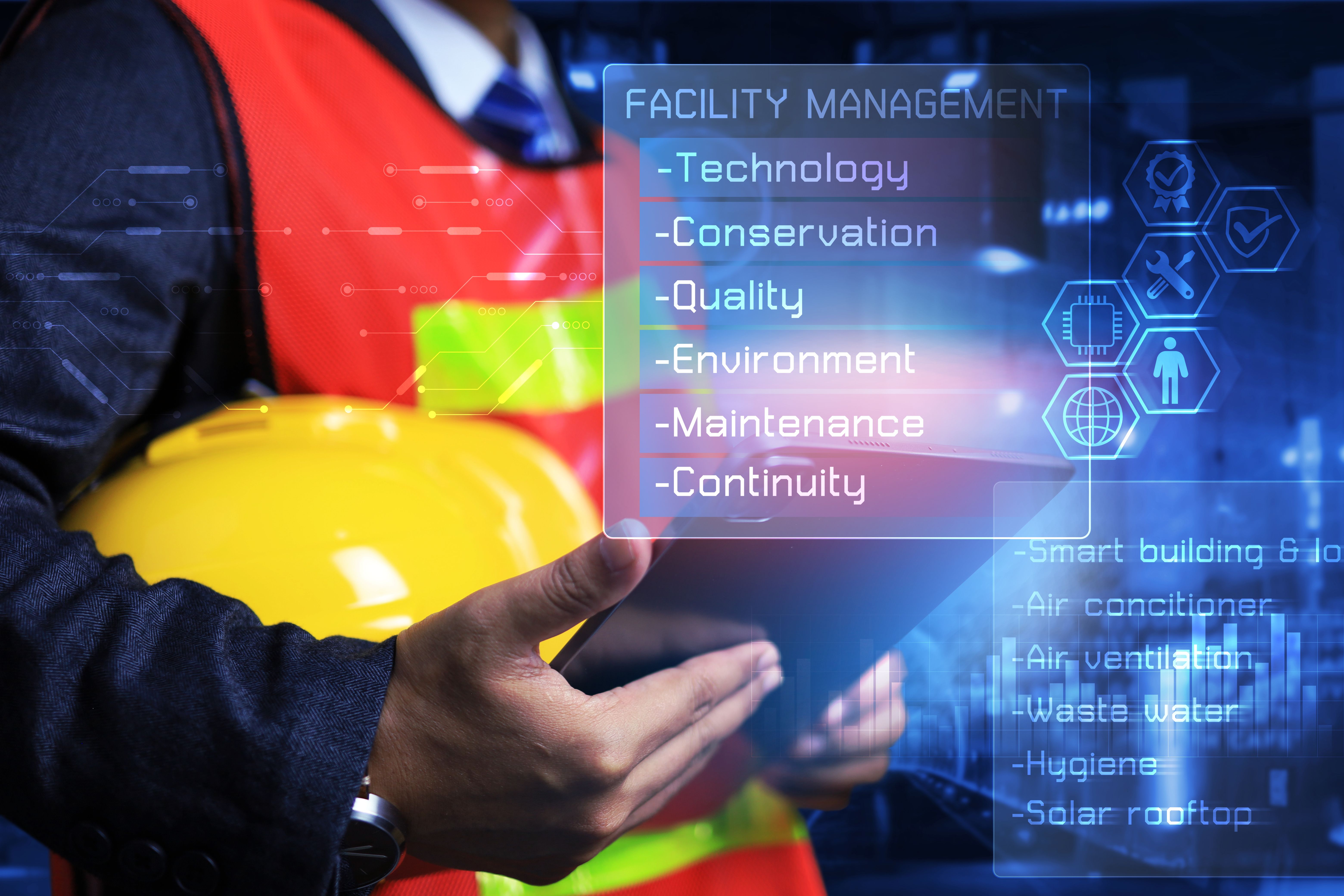
Effective facility management is crucial for maintaining the functionality and safety of healthcare environments. Facility managers coordinate maintenance activities, oversee renovations, and ensure compliance with health and safety standards. Their role is vital in minimizing disruptions to healthcare services and enhancing patient experiences.
Challenges and Opportunities in Healthcare Construction
While healthcare construction presents unique challenges, it also offers significant opportunities for innovation and improvement. The integration of smart technology, modular construction techniques, and patient-centered design can revolutionize how healthcare facilities are built and operated. Embracing these advancements can lead to more efficient, adaptable, and resilient healthcare environments.
In conclusion, building health through effective healthcare construction and facility services requires a comprehensive approach that balances regulatory compliance, technological integration, and sustainability. By addressing these elements, healthcare facilities can better serve their communities and adapt to the ever-changing landscape of healthcare needs.